
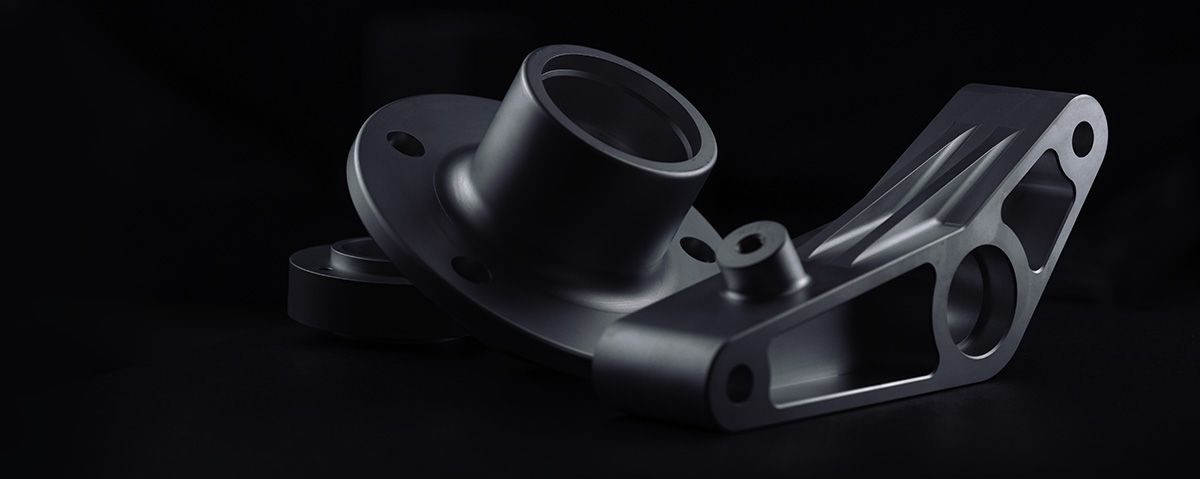
SendCutSend is a rapid manufacturing platform. Customers upload a CAD file, get an instant quote, and receive custom-cut parts in as little as 48 hours.
When SendCutSend started in 2018, three things needed to be built at once: a customer-facing ordering app, an internal admin app for processing orders, scheduling production, and managing the shop floor, and a marketing site to house information, guidelines, and the blog. I worked hand in hand with the CEO and a small engineering team to get these in place.
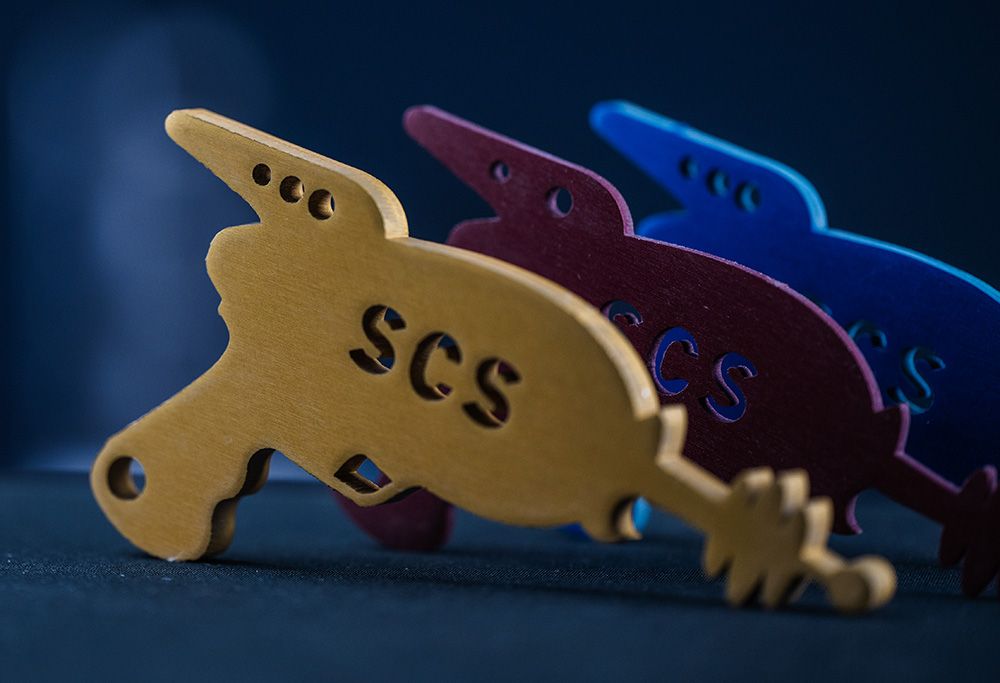
Alongside the three surfaces, I was also handling graphic design, product photography, and digital marketing. The iconic ray gun in their logo… yep, that was me.
001 CONDITIONS
Conditions.
// Build and launch
- CUSTOMER-FACING ORDERING APP
- INTERNAL ADMIN AND OPERATIONS TOOL
- MARKETING SITE
- BRAND MARK AND VISUAL IDENTITY
// Maintain and expand
- UI/UX ACROSS THE PLATFORM
- MARKETING SITE AND LANDING PAGES
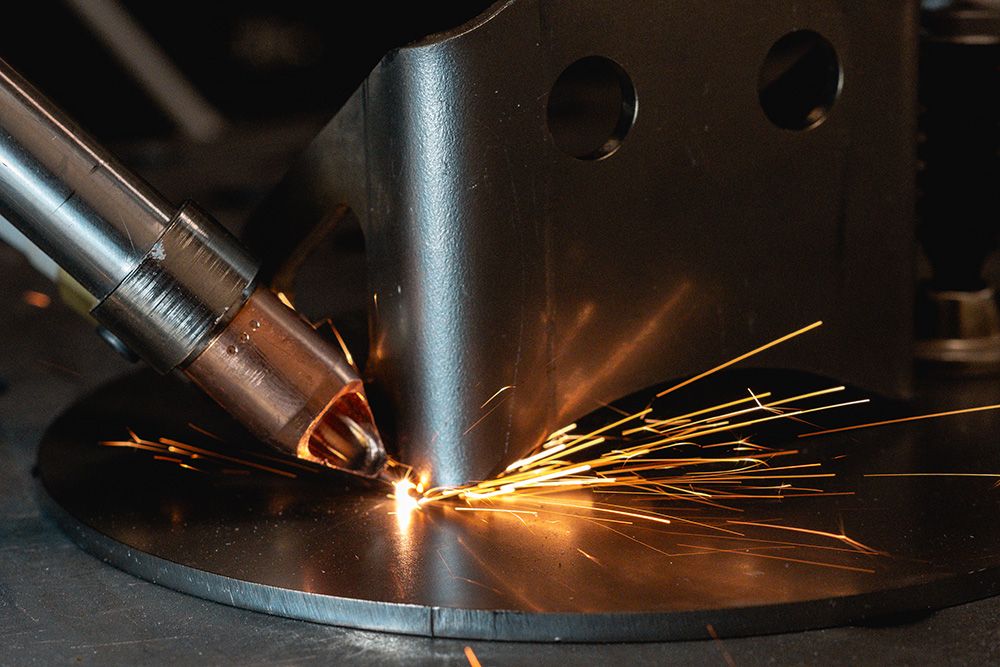
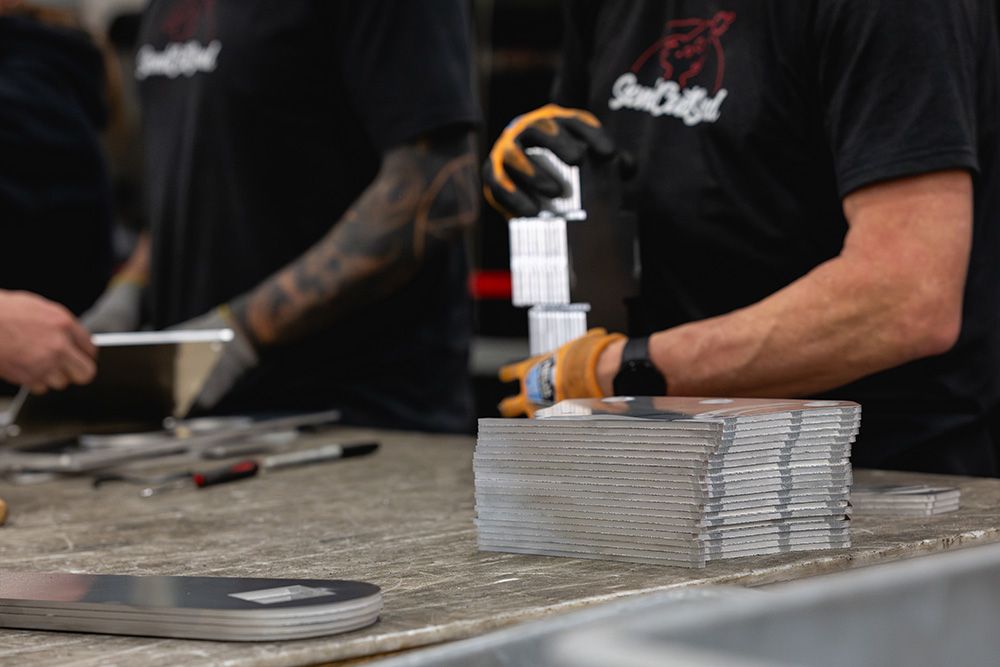
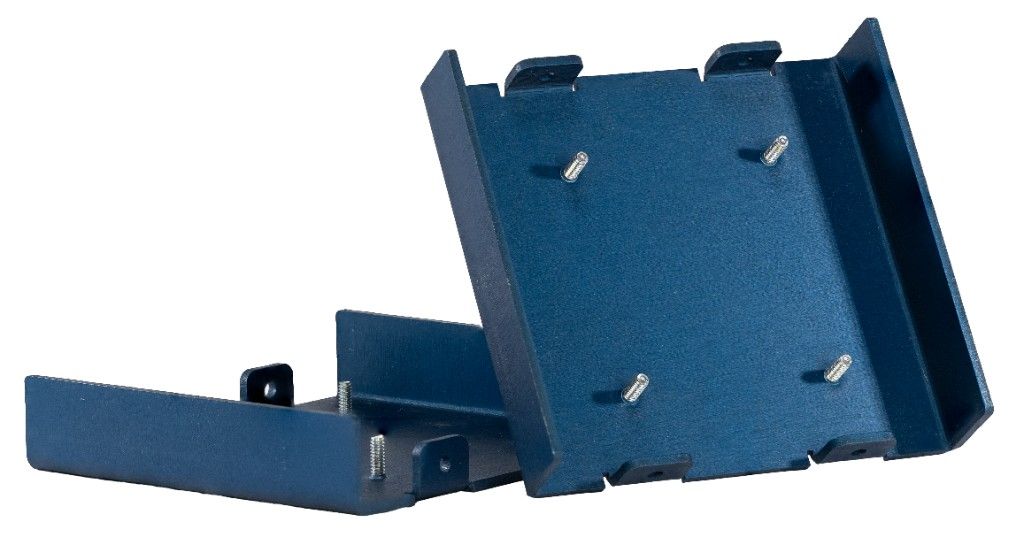
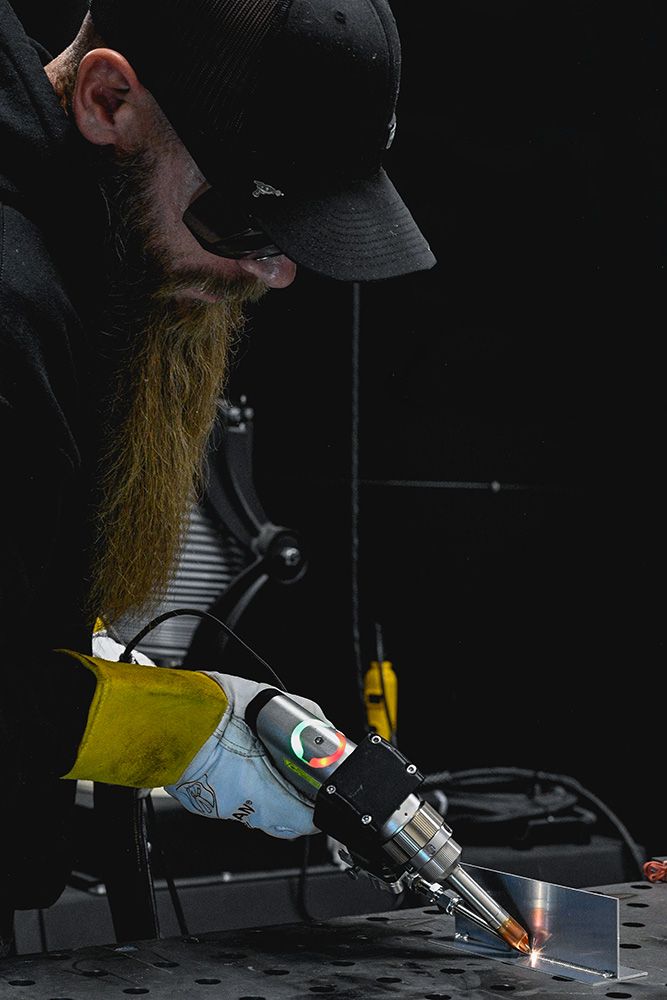
- PRODUCT AND PROCESS PHOTOGRAPHY
- BRAND AND GRAPHIC DESIGN
// Collaborate
- FOUNDER AND STAKEHOLDERS
- ENGINEERING
- MARKETING AND OPERATIONS
- EVERYONE ELSE
002 PRINCIPAL
One decision at a time.
The more a product can do, the easier it is to overwhelm the person using it. The answer is always the same: one decision at a time, no matter how much is happening underneath.
003 APPLIED TO THE CUSTOMER
Applied to the customer.
// Configure and order flow
The ordering flow sequences every customer choice so none of them stack. Material first, then services like bending and hole operations, then finishing. Quantity updates at any point. Pricing updates live throughout. Holding the principle steady gets harder as the platform keeps adding features. Each new addition brings its own pricing logic, geometry rules, and constraints. The customer flow has to stay simple while the platform gets more capable. The latest test is full assemblies. A single order can include multiple parts, each with its own material, services, and finishing, and stack-up relationships between them. Same sequencing principle, applied to a much larger surface.
Customer Configure and Order Flow
01 / 02
004 APPLIED TO THE TEAM
Applied to the team.
// Operations Interface
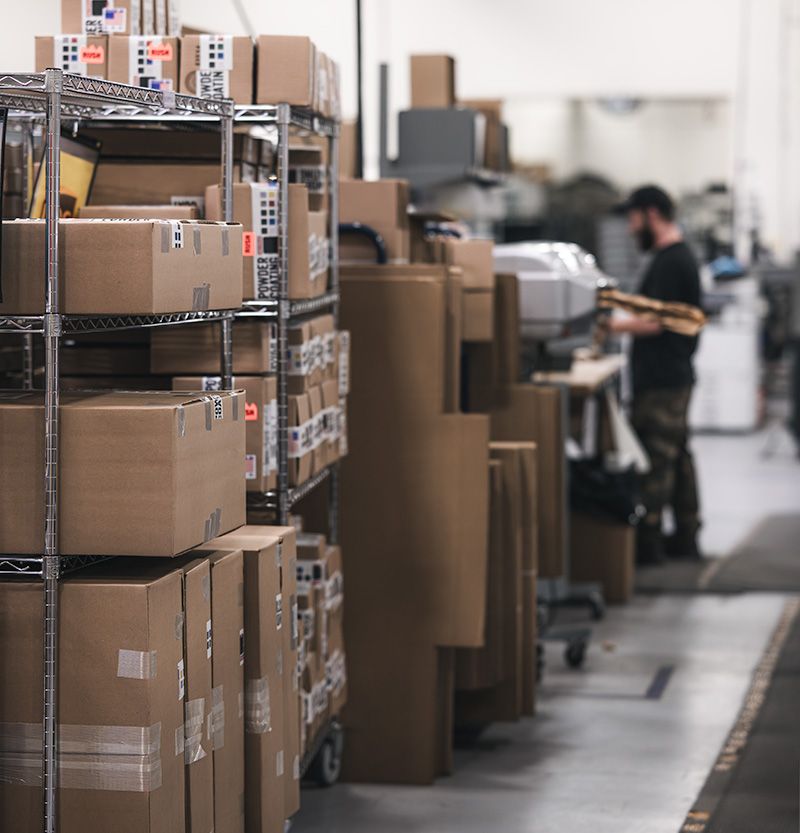
The admin side of the app is where I'm focused now. Operators across stations were making too many decisions per part, so the fix was redesigning the admin views each station interacts with — each step reduced to one decision, then handed to the next station. Same principle, behind the scenes. Work continues to extend that sequencing logic deeper into the operational side of the platform.
005 APPLIED TO THE SITE
Applied to the site.
// Marketing website
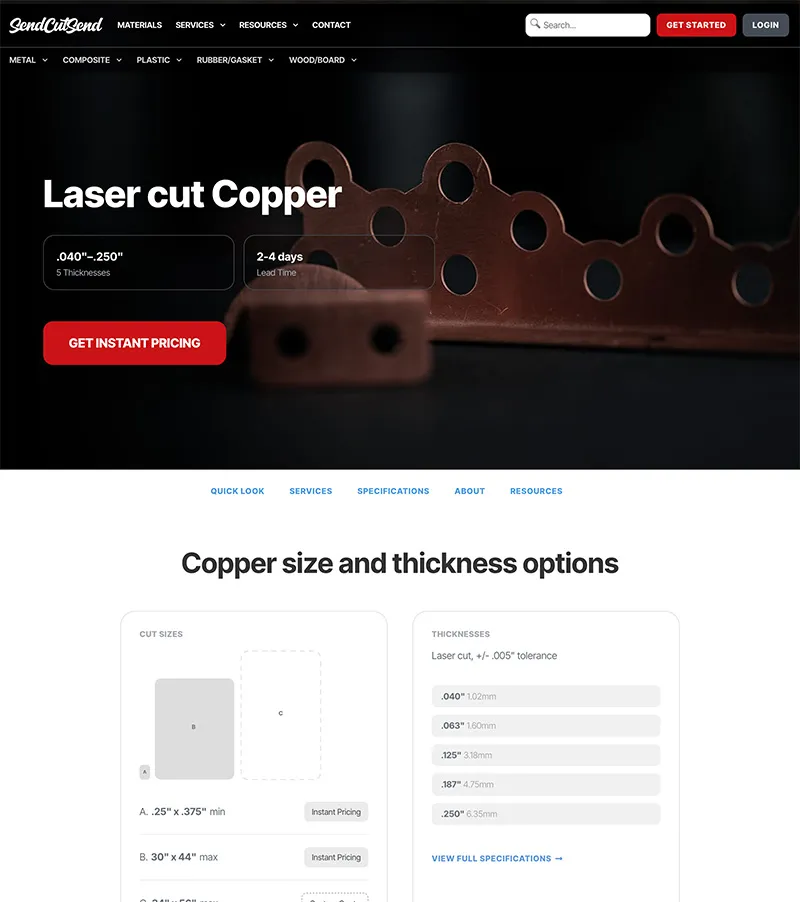
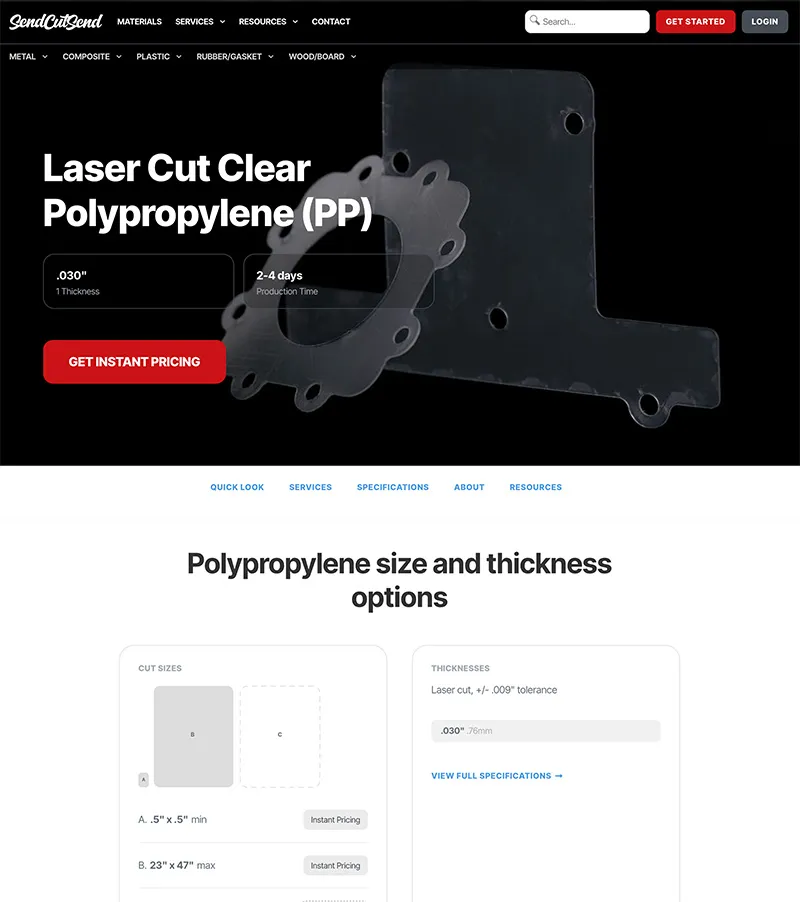
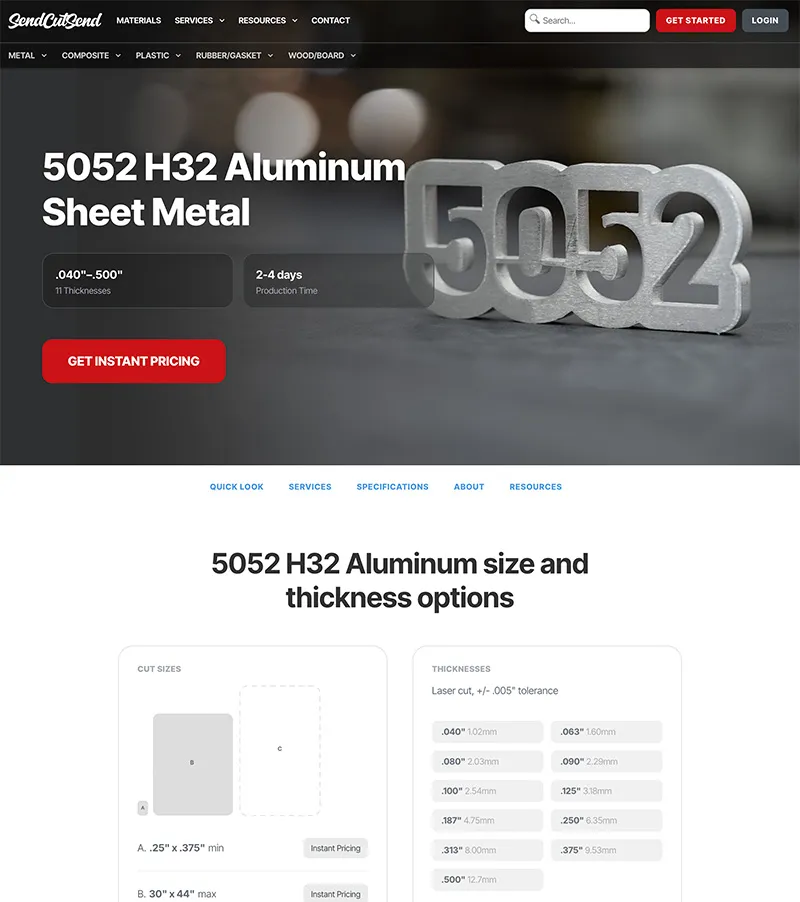
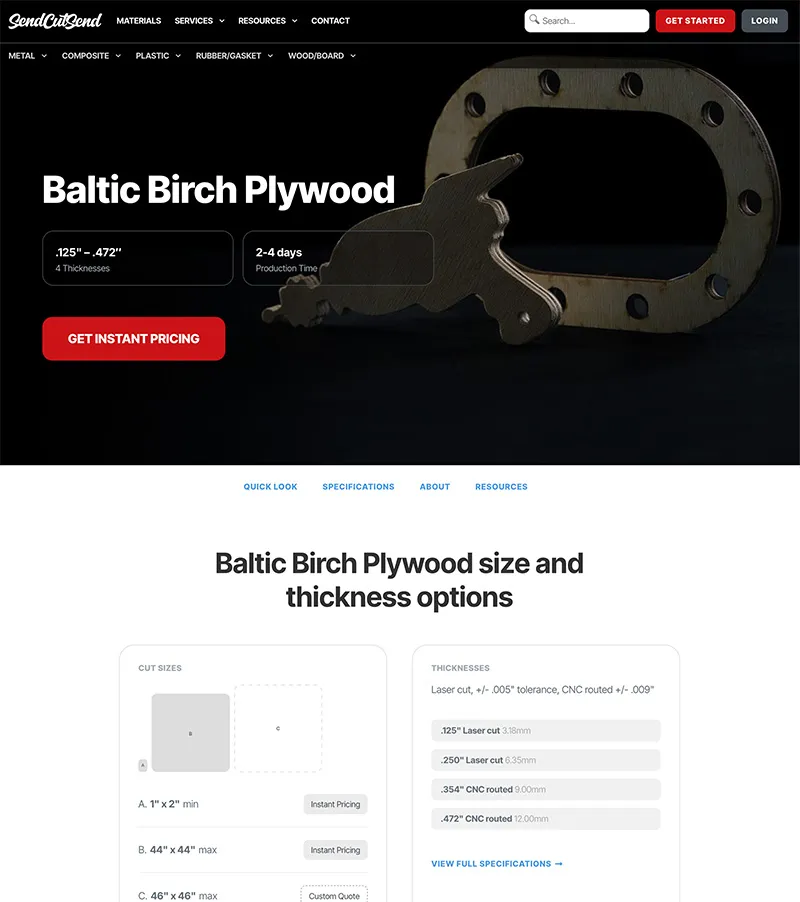
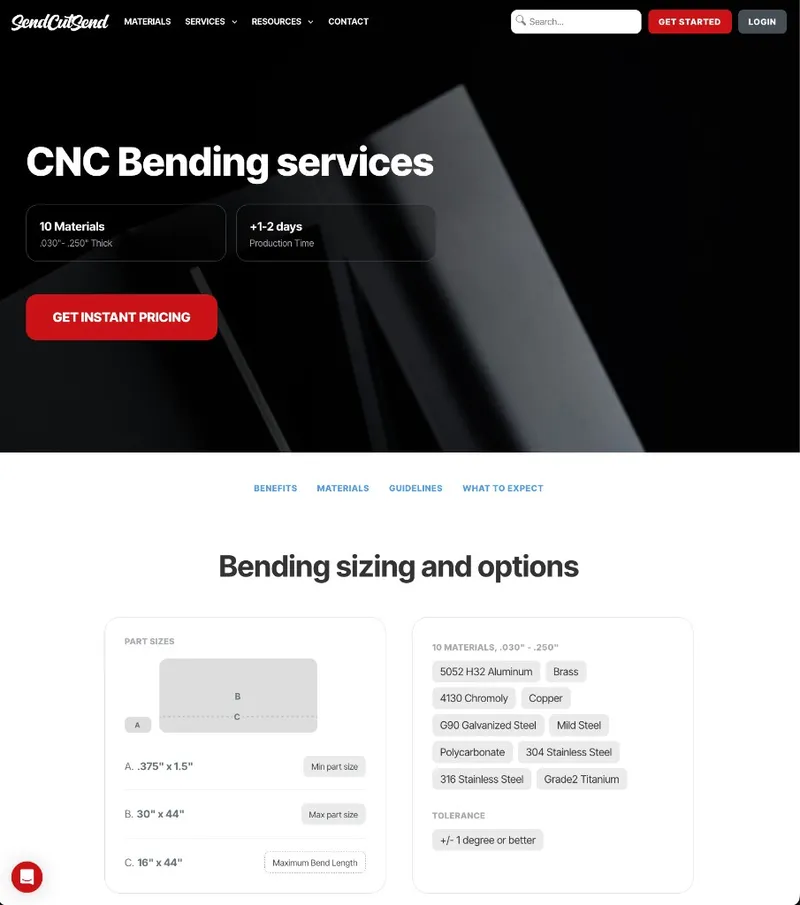
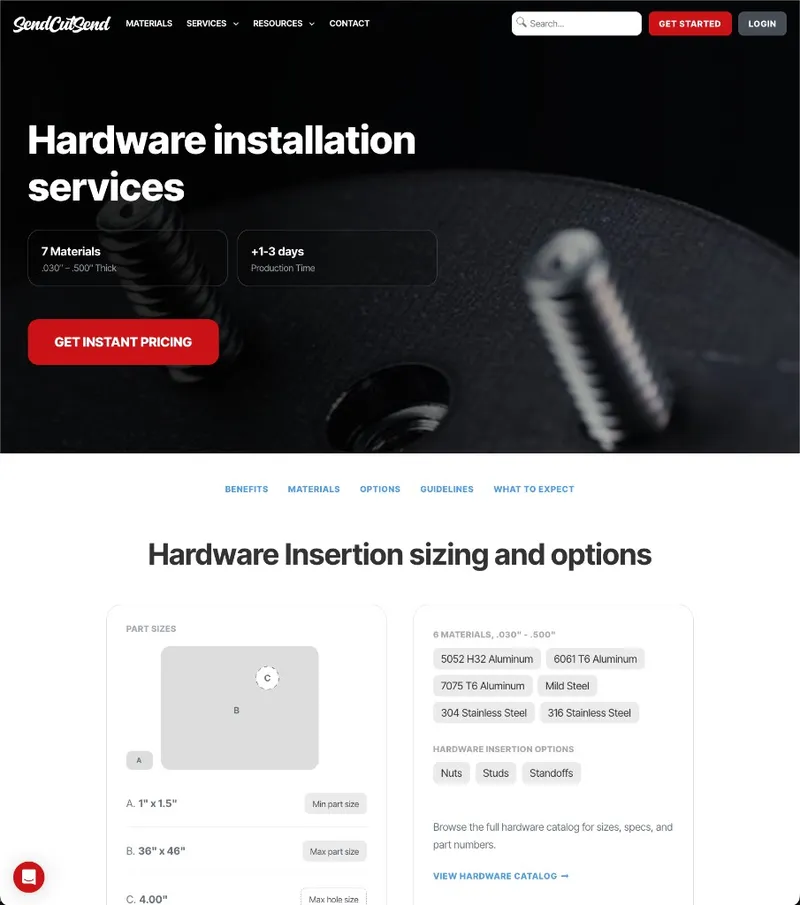
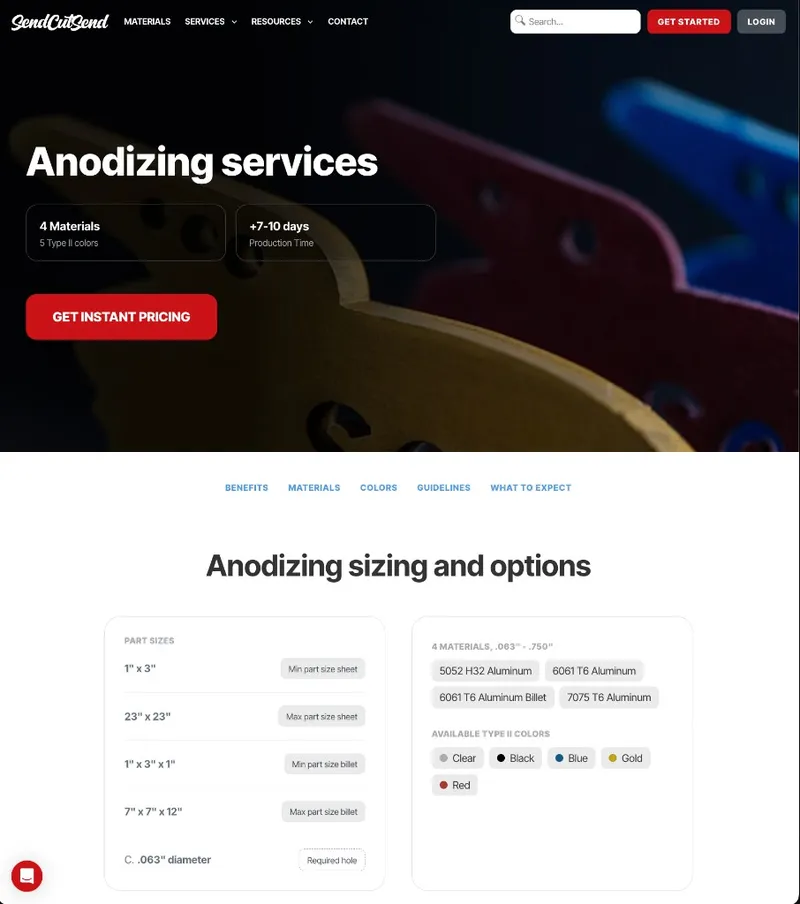
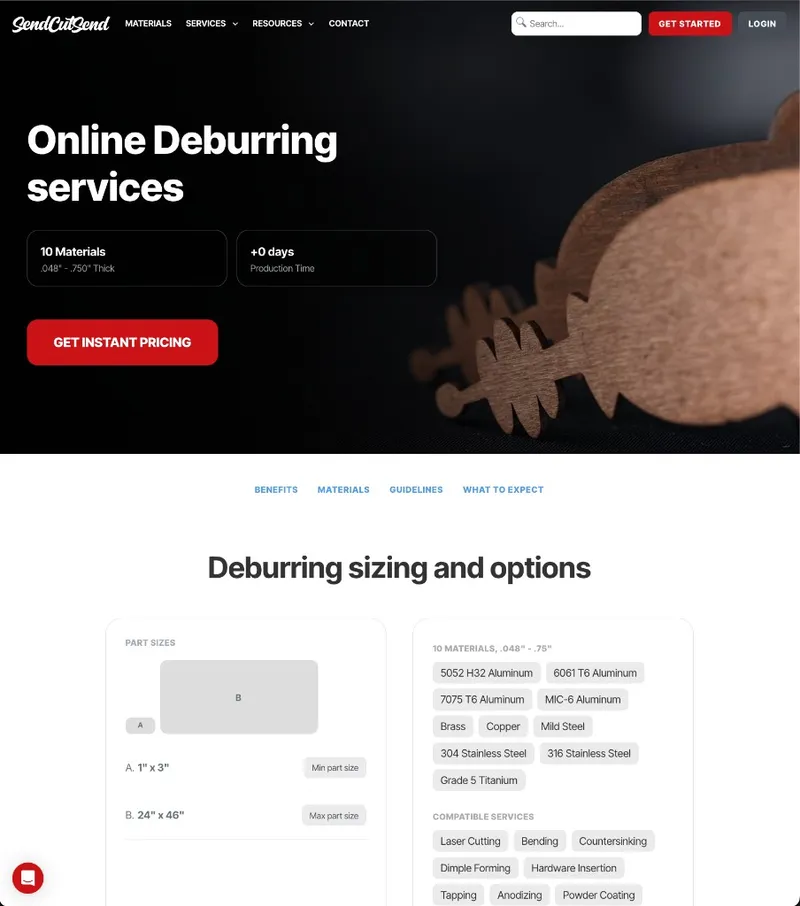
The marketing site originally launched on Shopify, with customizations mounting until the platform couldn't keep up. The move to WordPress hit a different version of the same problem early on. Too many materials, services, and capabilities to build and upkeep page by page. The fix was a custom templating system where one update can ripple through the whole site. Make a change in one place, and the related pages reflect it automatically.
01 / 08
006 THE LONG VIEW
The long view.
// Maintain and expand
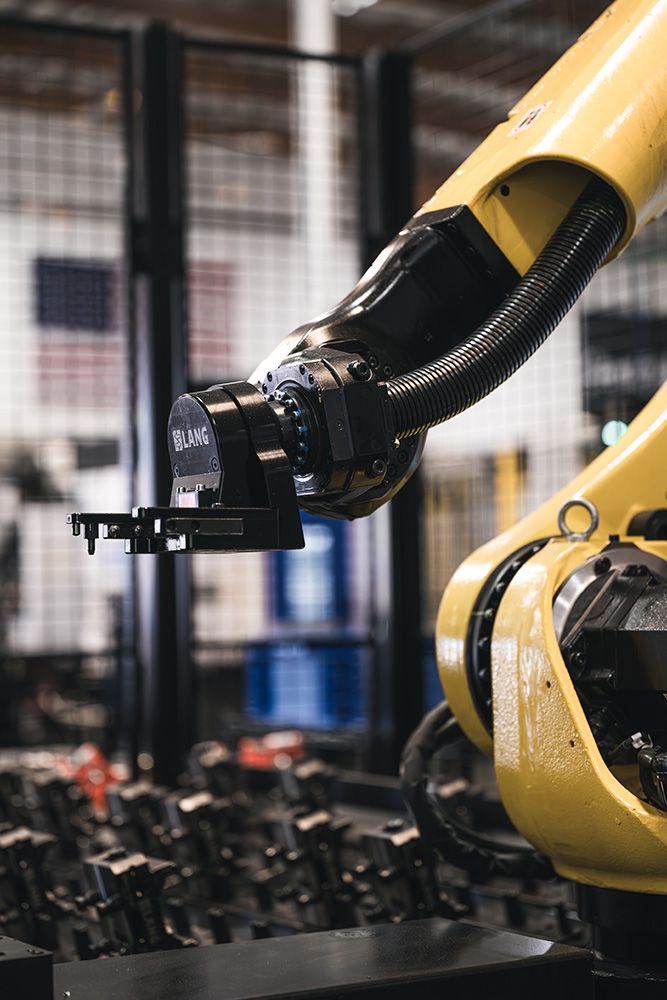
Eight years in, the platform has gone through many evolutions yet is still recognizably the same product. Features land inside the same flow. The site is in its second migration. The small engineering team is now a much larger one. Photography ships alongside most releases. The principle holds.
Lea at Moonshot offers something that I haven’t been able to find anywhere else: A complete understanding of the project from concept to completion, and beyond. She designs not only for aesthetics, but for real conversion, competitive SEO, simple maintenance, and long-term sustainability.
Customer Configure and Order Flow
01 / 02